

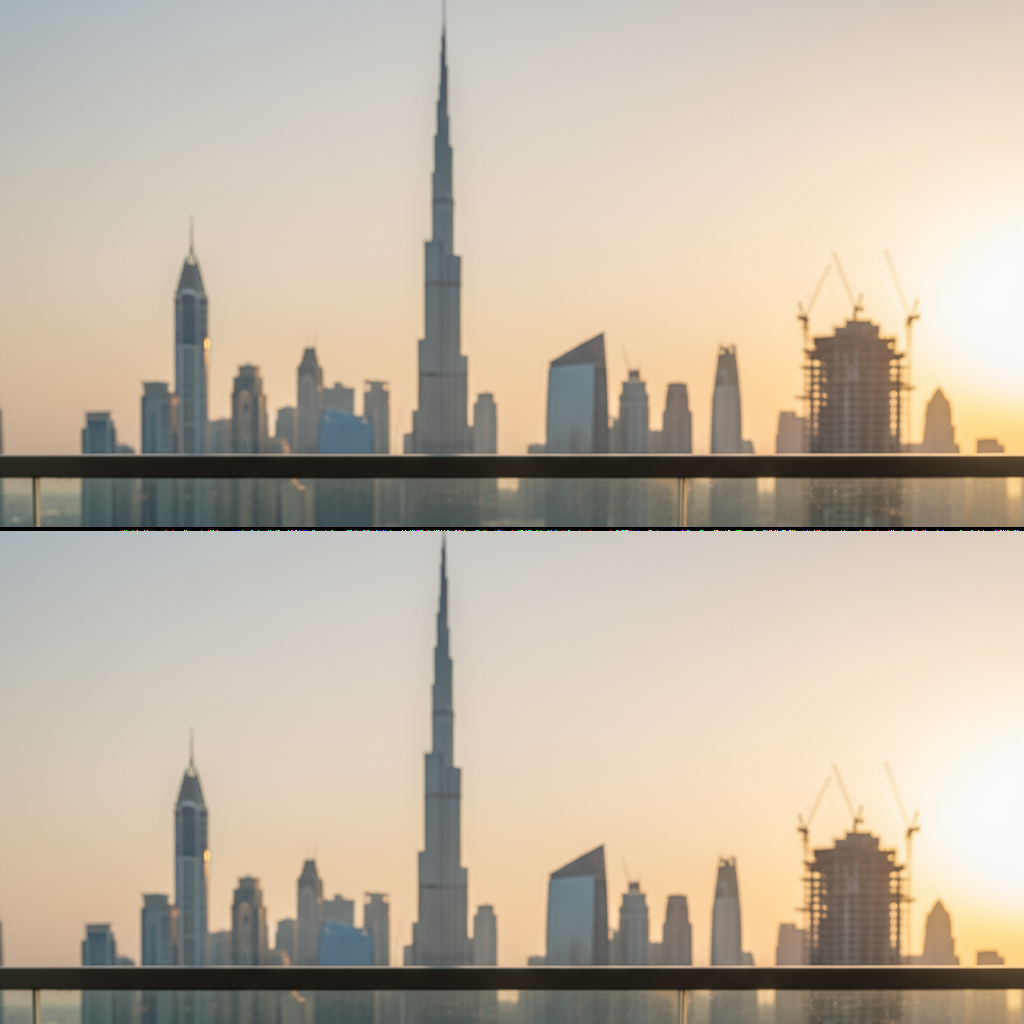
Buying Property in Dubai with Payment Plan
If you’re exploring how to buy property in Dubai with payment plan options, you’re making a wise move in one of the world’s most dynamic real-estate markets. Whether you’re an international investor or a local making a next-step purchase, understanding how payment plans work in Dubai—and how they tie into freehold ownership, foreigner eligibility, visa rights and the broader legal framework—is essential. At 2050 Properties, we’ve guided buyers from around the world through this process with clarity and care, so you can feel confident and informed as you move forward.
Why Choosing a Payment Plan for Property in Dubai Matters?
When you hear “buying property in Dubai with payment plan”, you’re essentially talking about structured payment options that spread your investment over time instead of paying everything upfront. This matters for several reasons:
-
It improves your cash-flow flexibility—especially useful if you’re buying while living abroad or balancing multiple investments.
-
It aligns with the way many new developments in Dubai are structured—particularly off-plan and freehold projects.
-
For foreign buyers especially, it smooths the path to acquiring a prestigious asset while managing risk.
-
It allows you to capitalise on the strong demand for Dubai real estate while still maintaining financial prudence.
In this guide, I’ll walk you through what payment plans look like in Dubai, how buying property in Dubai as a foreigner works, how freehold ownership plays into this, the relevant legal landscape (including Dubai real estate laws), and how the property links to the property-visa options.
Understanding Payment Plans for a Property in Dubai
What types of payment plans are available?
When you buy property in Dubai with payment plan terms, here are the common structures you’ll encounter:
-
Post-handover payment plan: You take possession first (or after a short time) and pay the remaining balance in instalments over a few years.
-
Construction-linked payment plan: You pay over the construction period in milestones (for example 30/70 or 50/50 splits) or time-linked, even if the construction lags.
-
Classic down payment + instalments: A common down payment range is 10-25 % with the rest over 2-10 years or at handover.
-
Rent-to-own / flexible schemes: Some developers offer schemes where you pay rent or lease and then convert to ownership.
What works best for you?
Here are a few guide-questions:
-
Do you require full ownership immediately, or are you comfortable waiting for handover while paying?
-
Is your budget flexible enough to handle the down payment now, and instalments later?
-
Do you intend to rent the property out from day one, or is it for personal use?
-
Are you buying as a foreigner or as a UAE resident? This affects loan eligibility, visa linkage and risk considerations.
Key advantages and things to watch
Advantages
-
Allows entry into premium projects with a smaller initial amount paid.
-
Often helps manage budget while still participating in the market’s upside.
-
Some plans reduce financial pressure or provide flexibility if you’re relocating from abroad.
Watch-outs
-
If the developer delays handover or construction slows, you may still be obliged to pay according to schedule.
-
Check whether you can resell the unit before the final payment is made—it may be restricted until certain milestones. Always verify whether the contract requires you to use bank-approved escrow accounts (as regulated) to safeguard your funds.
Buying Property in Dubai as a Foreigner
If you’re considering buying from outside the UAE—or you’re an expatriate investor—then buying property in Dubai as a foreigner has become increasingly accessible, yet you still need to understand certain rules.
Freehold property in Dubai: What it means?
In many areas of Dubai, foreigners can buy freehold property in Dubai, which means full ownership of the unit and the land (or a share of land) in a freehold development, without time restrictions. This is a major benefit when comparing to markets where foreigners might only have a leasehold or limited term interest.
Key legal and regulatory considerations
-
The Dubai Land Department (DLD) and its regulatory arm, the Real Estate Regulatory Agency (RERA), oversee property registration, developer licensing and escrow rules.
-
All sales, mortgages, of-plan contracts must be registered and follow legal frameworks (for example Law No. 7 of 2013 for DLD, Law No. 13 of 2008 & 9 of 2009 for interim register).
-
When you buy in areas designated as freehold for foreigners, you’ll get clarity on ownership rights—important for property in Dubai with payment plan agreements.
-
Foreigners may need to provide more documentation, especially under new transparency and AML (anti money-laundering) rules.
Mortgage, down payment & residency in brief
-
If you’re non-resident, banks in the UAE often require a larger down payment (20-40 % or more) for mortgages.
-
Residency via a property investment is possible. For example, buying freehold property in Dubai and meeting certain value thresholds may make you eligible for the investor visa route or the Golden Visa.
-
As a foreign buyer making use of a payment plan, you must ensure the payment schedule aligns with registration milestones, handover dates and standard practices to protect your interest.
How Freehold Property in Dubai Integrates with Payment Plans
Freehold properties in Dubai are often sold with structured payment plans, especially in new developments (off-plan). Here’s how they interlink:
-
Developers selling off-plan freehold units will normally offer payment plan options to attract buyers who can’t pay full cash upfront.
-
For example, paying 10 % upfront and the rest across payments is common in tens of thousands of deals.
-
Because freehold ownership empowers you to register the title with DLD, the contract should make clear: you pay instalments, you get the freehold title after full payment and handover (or earlier if agreed).
-
When buying property in Dubai with payment plan in a freehold project, confirm:
-
The developer has opened and maintained an escrow account under the law.
-
That the contract gives you rights to title registration with DLD once conditions are met.
-
That there is a clear handover and payment timeline so you’re not paying indefinitely with uncertainty.
-
-
Freehold units in well-located areas will carry better resale potential, making payment-plan buying more advantageous.
Dubai Real Estate Laws You Must Know
Awareness of the legal environment is critical before you commit. Here are key legal elements of Dubai’s real-estate legislation that impact you as a buyer:
-
Law No. 3 of 2005 (and later amendments) regulates registration of real-property rights in Dubai and states foreign ownership via freehold or leasehold is possible in designated areas.
-
Law No. 8 of 2007 on Escrow Accounts mandates that for off-plan sales, a developer must maintain an escrow account and only use buyers’ funds for construction.
-
Freehold titles must be registered with DLD, otherwise a transaction may be null and void.
-
Brokers must be licensed, and developers must be registered; RERA monitors this.
-
When considering payment plans, ensure the contract clearly states the schedule, the instalments and the consequences for both developer and buyer.
Understanding these laws empowers you to ask the right questions and protect your investment when buying property in Dubai with payment plan.
Leveraging Property Purchase for a Dubai Property Visa
If you’re buying property in Dubai with payment plan terms, you’re not only buying a real-estate asset—you could be securing a residency route.
Residency options
-
Through property purchase, investors may be eligible for an investor visa—depending on the value and other criteria.
-
The famed “Golden Visa” (10-year residency) in the UAE is available to property investors in certain categories—especially those purchasing freehold properties of higher value.
What you should ask?
-
Does the property location qualify for visa eligibility (freehold area, value threshold)?
-
When the payment plan means handover or full payment is postponed, will the visa application be valid ahead of final payment?
-
What are the title deed registration implications once the payment plan completes?
-
How does the payment schedule affect the residency application timeline?
At 2050 Properties, we guide clients through these pathways—ensuring you don’t just buy property in Dubai with payment plan terms, you also make the move count toward your life goals and residency aspirations.
Real-Life Example: How One Buyer Did It
Let me share a short story to make this concrete.
A Canadian investor—let’s call him Mark—decided to explore Dubai property investment for Canadians. Mark heard about an upcoming freehold tower in Jumeirah Village Circle that offered a 10 % down payment with the balance over 5 years (a payment plan). We at 2050 Properties helped him:
-
Verify the developer’s escrow account and handover timeline.
-
Understand the section of Dubai where he’d be buying qualifies as freehold and supports foreign ownership.
-
Confirm the legal registration process with DLD — so once his instalments completed, the title deed would be registered in his name.
-
Review how the payment plan and eventual full ownership align with eligibility for a property-based investment visa.
Mark made the down payment, started paying the instalments, and once the project handed over, he completed the final payment, registered his title, and applied for his investor visa. He now enjoys rental income and property appreciation in Dubai—and peace of mind knowing the structure was solid.
Common Mistakes When Buying Property in Dubai with Payment Plan
-
Signing a contract without confirming whether the developer holds an escrow account as required by law.
-
Accepting vague payment plan terms (e.g., “install as construction progresses”) without fixed milestones or handover dates.
-
Overlooking foreign-buyer requirements such as down payment size, residency or financial disclosures.
-
Believing that all payment plans are risk-free—if the developer fails or delays, you could be exposed.
-
Ignoring the handover, title deed registration or ensuring the freehold area is legitimate for foreign ownership.
At 2050 Properties, we help you avoid these pitfalls. We thoroughly review contracts, explain your rights under Dubai real estate laws, and support you through registration, payment schedules and handover.
Summary: Your Path to Smart Property Ownership in Dubai
Buying property in Dubai with payment plan terms is a strategic and savvy way to enter one of the world’s most attractive real-estate markets. When you choose freehold ownership, understand the legal framework, and align the payment schedule with your financial and residency goals, you set yourself up for success.
If you’re exploring freehold property in Dubai, or you’re a foreign buyer looking into Dubai property investment for Canadians (or any nationality) and want to use payment plan options, you’re in the right place.
Ready to make your move?
Contact us at 2050 Properties today. Explore our curated listings, ask about the payment-plan options available, and let us guide you step-by-step through buying property in Dubai with payment plan terms—securely, confidently, and with the personal touch you deserve.
FAQ Section
Q1: Can foreigners buy a property in Dubai with payment plan options?
Yes. Foreigners can buy property in designated freehold areas of Dubai and often use payment-plan schemes (down payment plus instalments). These must conform to local regulations such as escrow account laws and registration with the Dubai Land Department.
Freehold property in Dubai means you own the unit and, in many cases, a share of the land outright—without time limits. This matters when you enter a payment plan because you want certainty that once payments finish, your title will be registered in your name, and you’ll truly own the asset.
Q3: How does buying property in Dubai tie into a Dubai property visa?
When you buy property in Dubai (especially freehold) and meet value criteria, you may be eligible for an investor visa or even a Golden Visa. If you are using a payment plan, you should check how the plan affects your visa eligibility, handover timing and title registration.
Q4: What are the key Dubai real estate laws I should know before buying on a payment plan?
You should be aware of laws like Law No. 8 of 2007 on escrow accounts for off-plan sales, Law No. 7 of 2013 covering the Dubai Land Department’s role, and registration laws for mortgages and ownership rights. These laws protect you, both as someone buying property in Dubai with payment plan conditions and as a foreign investor.
Q5: Are payment-plan schemes risk-free? What should I be cautious about?
While payment plans open access and improve flexibility, they are not entirely risk-free. Risks include developer delays, unclear handover terms, lack of escrow protection, or contract clauses that restrict resale before full payment. Always work through a trusted consultant and legal adviser.