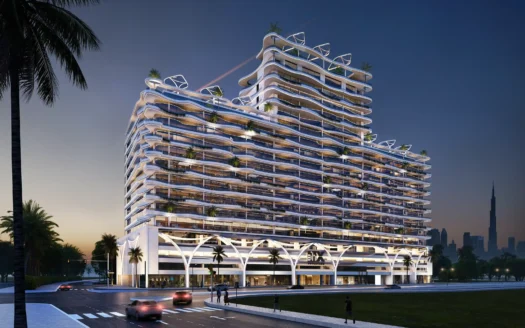

Current Value of Property in DFC
The current value of property in DFC is one of the most frequently discussed topics among serious investors and end-users exploring Dubai’s prime real estate zones. Whether you are a first-time international buyer, a seasoned investor, or a professional relocating to the city, understanding how property values are shaped in DFC can help you make a confident, future-proof decision.
As a Dubai-based real estate consultant at 2050 Properties, I often meet clients who are excited by the prestige of DFC but unsure about pricing, legal structures, and long-term returns. This guide is designed to answer those questions clearly, honestly, and practically—without jargon, hype, or shortcuts.
Why the Current Value of Property in DFC Matters Today?
Property value is never just about price per square foot. In DFC, it reflects a blend of location, lifestyle, regulation, and global demand.
DFC—commonly associated with the Dubai International Financial Centre—has evolved into a self-contained urban district. It combines Grade-A offices, luxury residences, art spaces, fine dining, and proximity to Downtown Dubai. For buyers, the current value of property in DFC represents not only today’s market price, but also tomorrow’s growth potential.
Several forces are shaping values right now:
-
Strong demand from international professionals
-
Limited supply of premium residential units
-
Stable regulatory oversight
-
Growing interest in freehold property in Dubai
In short, DFC sits at the intersection of lifestyle and long-term investment security.
Understanding the Current Value of Property in DFC by Property Type
Residential Apartments in DFC
High-end apartments dominate the residential landscape. The current value of property in DFC for apartments typically reflects:
-
Premium finishing and branded developments
-
Walkability to offices, galleries, and dining
-
Strong rental demand from executives and consultants
Prices vary based on view, building reputation, and floor level. One-bedroom units appeal to investors, while larger layouts attract end-users seeking a central lifestyle.
Commercial and Mixed-Use Assets
DFC is also unique because of its regulated commercial ecosystem. While this article focuses on residential buyers, it’s worth noting that mixed-use developments help stabilize residential values by keeping demand consistent even during global market shifts.
What Drives the Current Value of Property in DFC?
Location and Accessibility
DFC connects seamlessly to Downtown Dubai, Sheikh Zayed Road, and DIFC Gate Avenue. Buyers often underestimate how much time-saving convenience influences long-term value.
Regulatory Confidence
Unlike many global cities, Dubai offers clear ownership structures and transparent registration through the Dubai Land Department. This clarity directly supports the current value of property in DFC by reducing legal uncertainty.
Lifestyle Demand
People don’t just buy property here—they choose a lifestyle. Art events, fine dining, and a professional community create emotional attachment, which sustains prices even during quieter market cycles.
Buying Property in Dubai as a Foreigner: What You Should Know
If you are considering buying property in Dubai as a foreigner, DFC is one of the most straightforward areas to start. Foreign nationals are legally allowed to own freehold property in Dubai within designated zones, including DFC.
Here’s what reassures most international buyers:
-
100% ownership rights
-
No annual property taxes
-
Transparent title deed registration
-
Clear resale and inheritance processes under Dubai real estate laws
I often remind overseas clients: Dubai’s system is designed to attract long-term global capital, not speculative confusion.
Dubai Property Investment for Canadians: Why DFC Feels Familiar?
Dubai property investment for Canadians has grown steadily over the past few years. Many Canadian buyers find DFC appealing because it mirrors what they value back home: structure, regulation, and livability.
Canadian investors are often drawn to:
-
Stable rental yields compared to major Canadian cities
-
Currency diversification
-
Clear legal frameworks under Dubai real estate laws
-
Eligibility pathways toward a Dubai property visa
If you’re exploring how to buy property in Dubai from Canada, DFC offers a gentle learning curve with professional-grade standards.
Freehold Property in Dubai: How DFC Fits In
Not all areas in Dubai offer freehold ownership to foreigners—but DFC does. This is a major contributor to the current value of property in DFC.
Freehold ownership means:
-
You own the property outright
-
You can sell, lease, or pass it on
-
Ownership is registered securely
For many buyers, this clarity transforms interest into action.
Dubai Property Visa and Residency Benefits
One question I hear often is: “Can buying in DFC help me live in the UAE?”
The answer is yes—depending on property value. Purchasing qualifying real estate can make you eligible for a Dubai property visa, and in higher brackets, long-term residency options such as the Golden Visa.
While visas should never be the sole reason to invest, they do add lifestyle flexibility and peace of mind—especially for families and frequent travellers.
Legal Framework: Dubai Real Estate Laws Explained Simply
Dubai real estate laws are structured to protect both buyers and sellers. In DFC, this is reinforced by additional regulatory oversight.
Key protections include:
-
Mandatory escrow accounts for off-plan projects
-
Registered title deeds
-
Clearly defined buyer and developer obligations
This legal backbone plays a quiet but powerful role in preserving the current value of property in DFC.
Real-Life Buyer Perspective: A Short Story
A Canadian client once told me, “I didn’t buy in DFC because of the numbers alone. I bought because it felt predictable—in a good way.”
That predictability is exactly why values hold firm here. When emotion and logic align, real estate decisions tend to age well.
Alt text: Current value of property in DFC reflected in Dubai’s DIFC skyline and residential lifestyle.
Is the Current Value of Property in DFC Sustainable?
Short answer: yes, when viewed long-term.
DFC is not driven by speculative oversupply. Its planning restrictions, professional tenant base, and international appeal create resilience. While prices may fluctuate, the fundamentals remain strong.
Smart buyers focus less on timing the market and more on choosing the right asset within the market.
Final Thoughts: Is DFC Right for You?
The current value of property in DFC reflects more than market trends—it reflects trust. Trust in regulation, in lifestyle, and in Dubai’s long-term vision.
If you’re buying your first home in Dubai, relocating for work, or building a diversified portfolio, DFC deserves serious consideration.
At 2050 Properties, we don’t believe in one-size-fits-all advice. We believe in listening, guiding, and helping you choose property that still feels right years from now.
If you’re ready to explore listings, understand your eligibility, or simply talk through your options, now is the perfect time to start that conversation.
Frequently Asked Questions (FAQ)
1. What is the current value of property in DFC today?
The current value of property in DFC varies by building and unit type, but it generally reflects premium pricing due to location, regulation, and demand.
2. Can foreigners legally buy property in DFC?
Yes. DFC is a designated freehold zone, making it ideal for buying property in Dubai as a foreigner.
3. Is DFC suitable for long-term investment?
Yes. Its limited supply, strong rental demand, and regulatory structure support long-term value retention.
4. Can buying property in DFC help me get a Dubai property visa?
Qualifying property investments may make buyers eligible for residency options, depending on value and current regulations.
5. Why do Canadian investors prefer DFC?
Dubai property investment for Canadians often starts in DFC due to its familiarity, transparency, and professional environment.