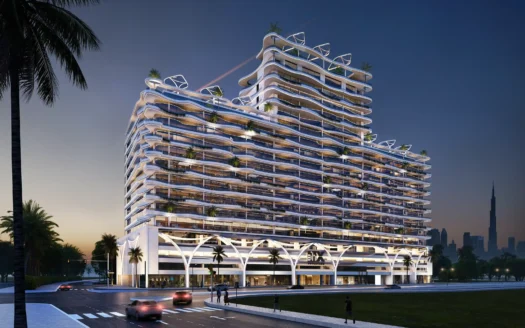


Property Prices in Dubai Last 10 Years
If you’re researching property prices in Dubai last 10 years, you’re likely trying to understand whether now is the right moment to enter the market—or expand your portfolio. As consultants at 2050 Properties, we speak daily with buyers from around the world who are drawn to Dubai’s stability, strong rental yields, and investor-friendly laws.
This guide breaks down a decade of market trends in a clear, human, and deeply practical way so you can make confident decisions—whether you’re buying property in Dubai as a foreigner, investing from Canada, or exploring freehold property in Dubai for the first time.
H2: Why the Last 10 Years Matter in Understanding Dubai’s Property Market?
Dubai’s property landscape has transformed dramatically over the past decade. From the post-2014 price correction to the unprecedented growth between 2021 and 2024, each phase shaped today’s opportunities.
Before exploring the year-by-year evolution, here’s why a 10-year perspective is crucial:
-
It reveals long-term resilience, not just short-term fluctuations.
-
It highlights key policy changes, including Dubai real estate laws, that shaped buyer demand.
-
It helps international investors, especially those considering Dubai property investment for Canadians or other expats, understand the full picture.
-
It shows how Dubai became one of the world’s strongest luxury real estate hubs.
H2: Property Prices in Dubai Last 10 Years — A Decade Overview
While Dubai is a highly transparent market regulated by the Dubai Land Department, reporting styles differ by community and property type. Instead of fixating on isolated numbers, it’s more useful to understand the patterns that shaped the last decade.
Below is a high-level summary that reflects widely observed market movements across apartments and villas.
H3: 2014–2016: Post-Peak Correction
After the rapid growth driven by major infrastructure projects and global investor interest, prices entered a natural correction phase.
Key Drivers:
-
Oil price fluctuations
-
Strong supply pipeline
-
More cautious global investment climate
Impact:
A moderate decline across most freehold property in Dubai, making this a buyer’s market.
H3: 2017–2019: Stabilization and Affordable Segment Growth
Developers shifted their focus to more affordable communities, appealing to first-time buyers and long-term residents.
Market Signals:
-
Stable prices in mid- and entry-tier communities
-
Increased end-user demand
-
Dubai real estate laws strengthened consumer protection practices
Impact:
A healthy equilibrium formed between supply and demand.
H3: 2020–2021: COVID Shift and Lifestyle-Driven Boom
When global markets were unsettled, Dubai’s decisive response created confidence. Remote work and lifestyle priorities pushed many toward larger homes and villas.
Trends:
-
Villa prices appreciated significantly
-
Apartments recovered more gradually
-
Long-term residents began buying instead of renting
Impact:
A structural shift toward owner-occupation and long-stay living.
H3: 2021–2024: Unprecedented Growth and Global Demand
This period marked the strongest surge the market has seen in over a decade.
Key Catalysts:
-
Influx of global capital
-
Buyers relocating from Canada, Europe, Russia, India, and the GCC
-
Favourable Dubai property visa regulations for investors
-
Low taxes and stable governance
Impact:
Record transaction volumes, significant price appreciation (especially in luxury and waterfront communities), and rising rental yields.
H3: 2025 and Beyond: A Maturing, Globally Competitive Market
As we look past 2024 into 2025 and beyond, Dubai is transitioning into a mature, investor-friendly environment with strong fundamentals:
-
Continuous population growth
-
Expanding transport and infrastructure
-
Investor confidence supported by clear regulations from the Dubai Land Department
Today, the market remains attractive not because of hype—but because of long-term stability.
H2: What These Trends Mean for International Buyers?
If you are buying property in Dubai as a foreigner, understanding the past decade helps you answer a key question: Is this a good moment to buy?
In many cases, yes—because the market still offers:
-
High rental yields compared to global cities
-
A stable legal framework
-
Freehold zones that allow 100% ownership
-
Visa options, including pathways to a Dubai property visa
And for those exploring Dubai property investment for Canadians, the lack of foreign ownership restrictions and the transparency of legal procedures create a predictable investment environment.
Many of our Canadian clients tell us the same thing: “The process here is so straightforward compared to what I expected.”
It really is.
H2: Freehold Property in Dubai — Why It Matters in the 10-Year Trend?
Freehold areas have consistently shown resilience because buyers can own the property outright. Over the last decade, these zones—especially waterfront, master-planned, and luxury communities—have driven long-term appreciation.
What Attracts Buyers to Freehold Areas?
-
Full ownership for life
-
Right to sell or lease without restrictions
-
Eligibility for certain visa categories
-
Strong rental demand due to location and amenities
As the emirate expanded its freehold zones over the last 10 years, new opportunities opened for global investors.
H2: Dubai Real Estate Laws That Shaped the Market
Dubai introduced several impactful policies in the past decade that boosted investor confidence.
H3: Strengthened Regulations (RERA & Dubai Land Department)
Regulators improved transparency by implementing escrow rules, registration systems, and payment protections for off-plan buyers.
H3: Long-Term Residency and the Golden Visa
Property investors meeting certain thresholds gained access to long-term residency.
This policy alone created sustained demand from families, business owners, and international investors.
H3: Clearer Rental Rules
Balanced regulation helped both landlords and tenants, making Dubai a more stable market overall.
H2: Real-Life Story — How a Canadian Buyer Navigated the Market
Last year, I worked with a Canadian couple exploring Dubai property investment for Canadians for the first time. They were overwhelmed by mixed information online about “timing the market.”
Instead of rushing, we walked through the property prices in Dubai last 10 years, discussed their financial goals, and compared communities aligned with rental demand.
Their biggest realization?
They weren’t buying based on the perfect price—they were buying based on Dubai’s long-term fundamentals.
Today, their waterfront apartment is rented out within days every year. More importantly, they feel confident and in control of their portfolio.
H2: Should You Buy Now? The Consultant’s Perspective
Market cycles come and go, but the most successful investors focus on three fundamentals:
-
Long-term rental demand
-
Population growth and economic stability
-
Regulatory transparency
Dubai continues to score high across all three.
If you’ve been watching from the sidelines—especially after researching property prices in Dubai last 10 years—this may be the moment to explore your options with clarity.
H2: Final Thoughts — and Your Next Step
Dubai’s last decade shows a market that corrected when needed, matured over time, and ultimately proved its resilience. If you’re ready to explore opportunities—whether that’s a villa, luxury apartment, off-plan project, or rental investment—our team at 2050 Properties is here to guide you with honesty and precision.
Reach out for expert assistance and let us help you make the most informed decision based on property prices in Dubai last 10 years and where the market is heading next.FAQ Section
Q1: How have property prices in Dubai changed in the last 10 years?
They experienced a correction after 2014, stable recovery through 2017–2019, a surge from 2021 to 2024, and now reflect a mature, sustainable growth pattern.
Q2: Can foreigners buy property in Dubai?
Yes. Buying property in Dubai as a foreigner is straightforward within designated freehold areas where you can own property outright.
Q3: Do property investors qualify for a Dubai property visa?
Investors who meet the minimum property value requirement may be eligible for a residency visa, including options connected to the Golden Visa program.
Q4: Is Dubai a good option for Canadians looking to invest?
Absolutely. Dubai property investment for Canadians is attractive due to high yields, zero property tax, strong regulations, and long-term expat demand.
Q5: Which areas showed the strongest growth over the last decade?
Waterfront communities, well-planned villa districts, and luxury freehold areas historically performed well due to limited supply and high global appeal.